Anaerobic Digester Asset Refurbishment
Introduction
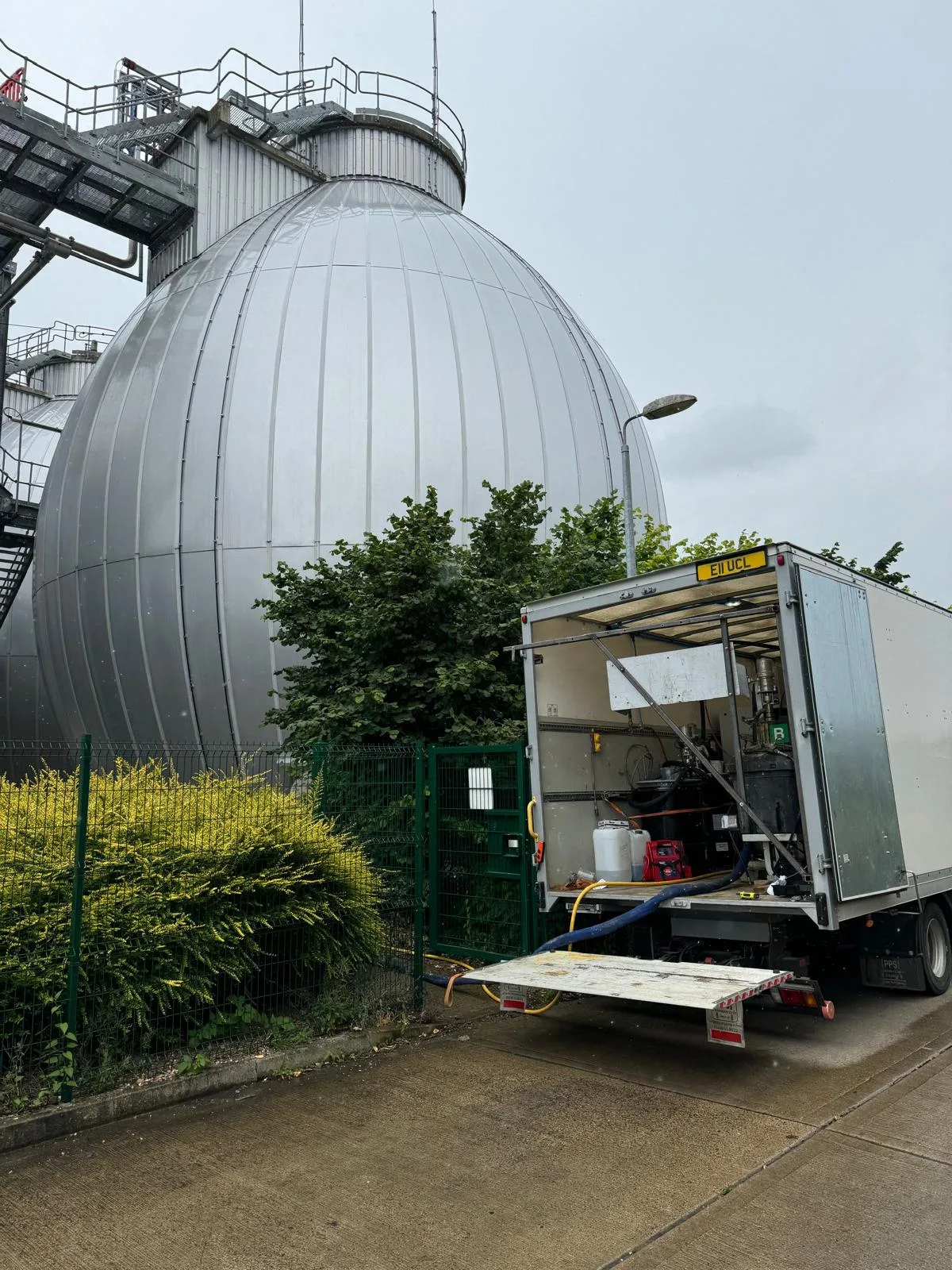
UCL Ltd recently completed the comprehensive structural refurbishment and gas-leak sealing of asset-critical, egg-shaped anaerobic gas digesters. The structures required internal rehabilitation to combat severe biochemical attack, mechanical abrasion and structural movement, returning the assets to full operational service while securing a projected 50-year design life.
Our Solution
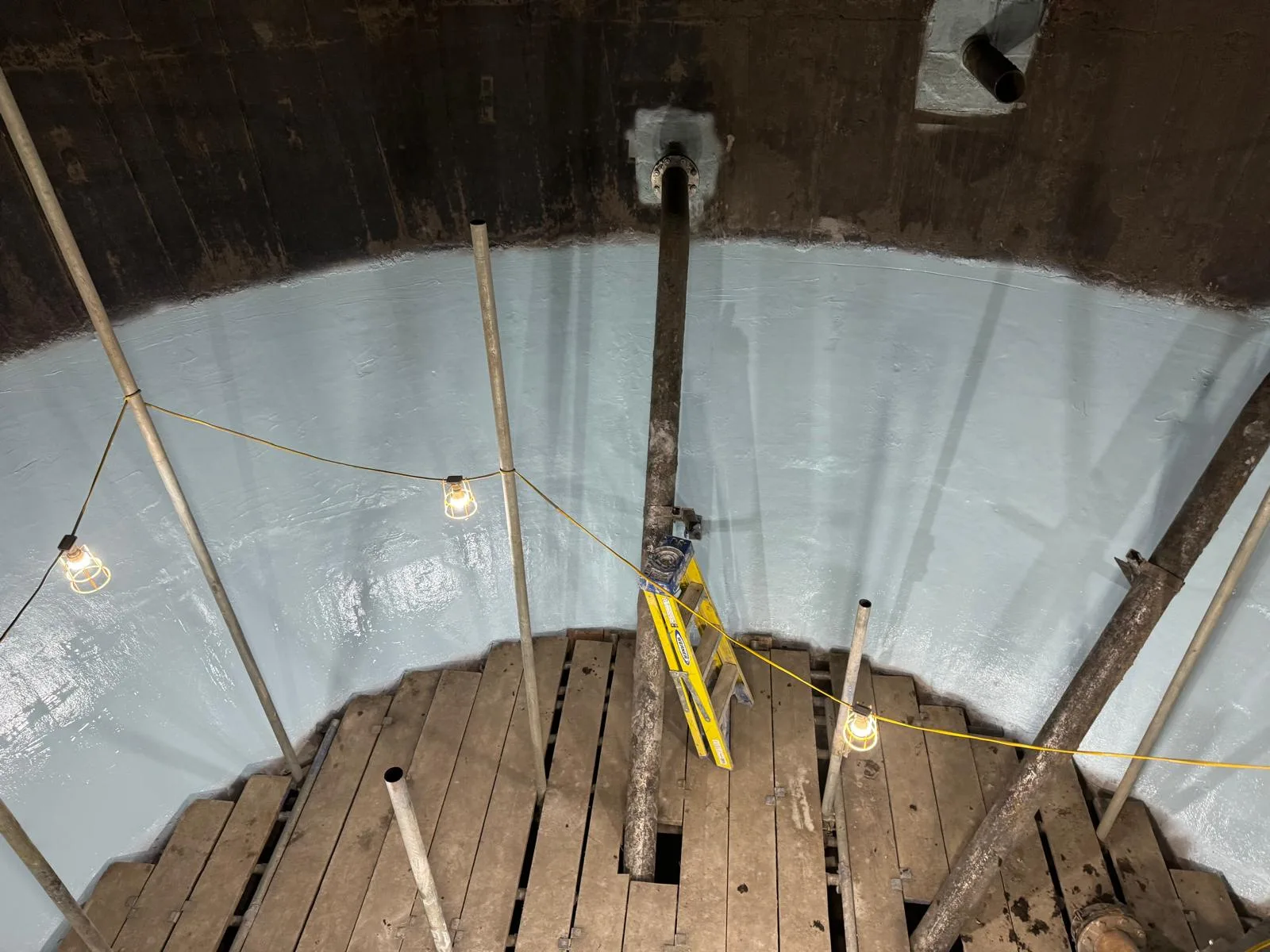
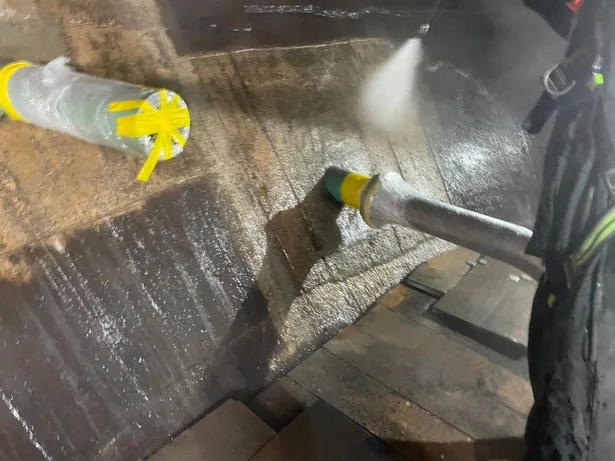
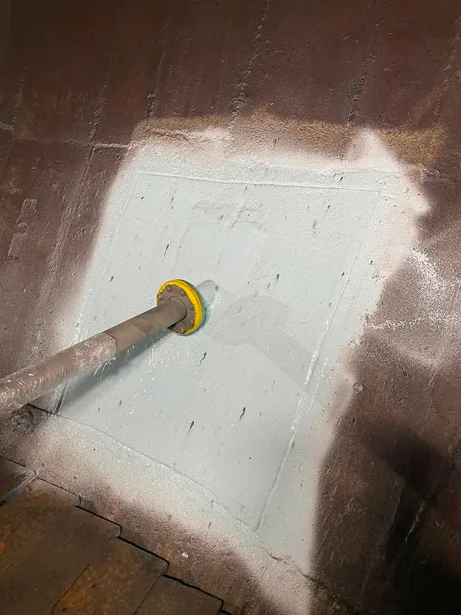
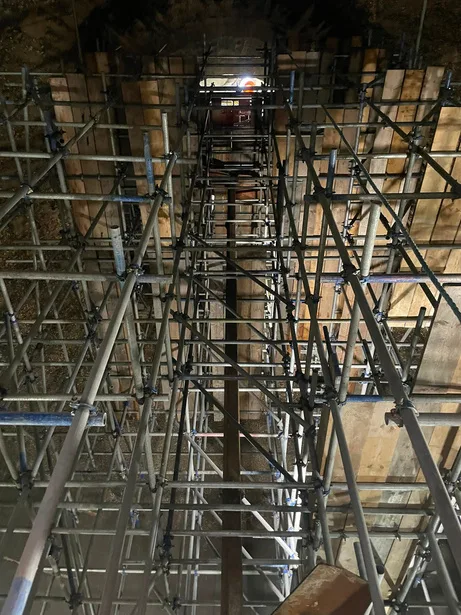
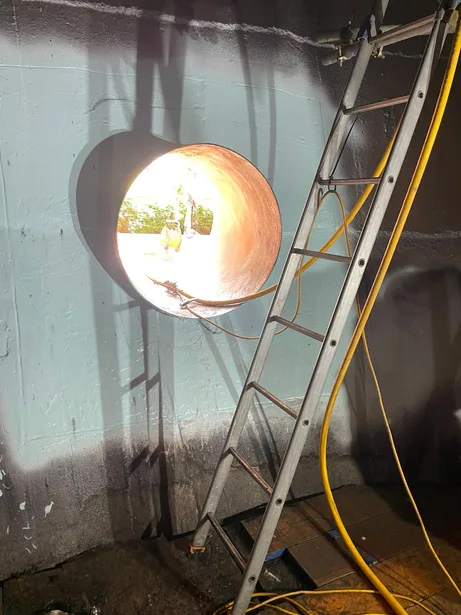
UCL managed the initial shutdown, executing the complete emptying and cleaning of the digester tank. Over a two-week period, a vibrating screener was used to extract unwanted grit and hair, pumping the remaining liquids to an on-site filter press. Following cleaning, full internal scaffolding was erected. Critical gas leakage at the top mixer assembly was addressed by removing failed original material and installing a 50mm depth, high-strength, non-shrink grout. Upper sections were lined with a chemical-resistant, hydrogen sulfide (H2S) resistant epoxy system and flexible elastomeric seals. To isolate mechanical vibration from the mixer, a highly chemical-resistant elastomer was spray-applied over the stainless steel plate junction. The high-abrasion lower floor zone was protected with a 3mm application of Raven 405 high-build sprayed epoxy, followed by successful gas-tightness testing.
Key Benefits
- Biochemical resistance — high-build epoxy linings provide robust, long-term protection against high concentrations of corrosive H2S gas
- Vibration accommodation — spray-applied elastomeric seals deliver a flexible, gas-tight barrier that absorbs continuous dynamic movement from the internal mixer
- Abrasion defence — a 3mm-thick Raven 405 epoxy floor coating mitigates severe wear and friction caused by agitated digestate fluids
- Extended asset lifespan — engineered materials deliver a projected 50-year structural design life, significantly reducing future capital expenditure
- Verified integrity — rigorous post-refurbishment pressure testing confirmed zero gas loss, ensuring total regulatory compliance and site safety
Conclusion
By combining advanced non-shrink grouts, elastomeric movement joints and high-build polymer linings, UCL successfully restored total gas-tightness to these critical assets. The project serves as an engineering benchmark for complex wastewater infrastructure recycling, executing precise technical solutions to deliver multi-decade durability under extreme operational conditions.