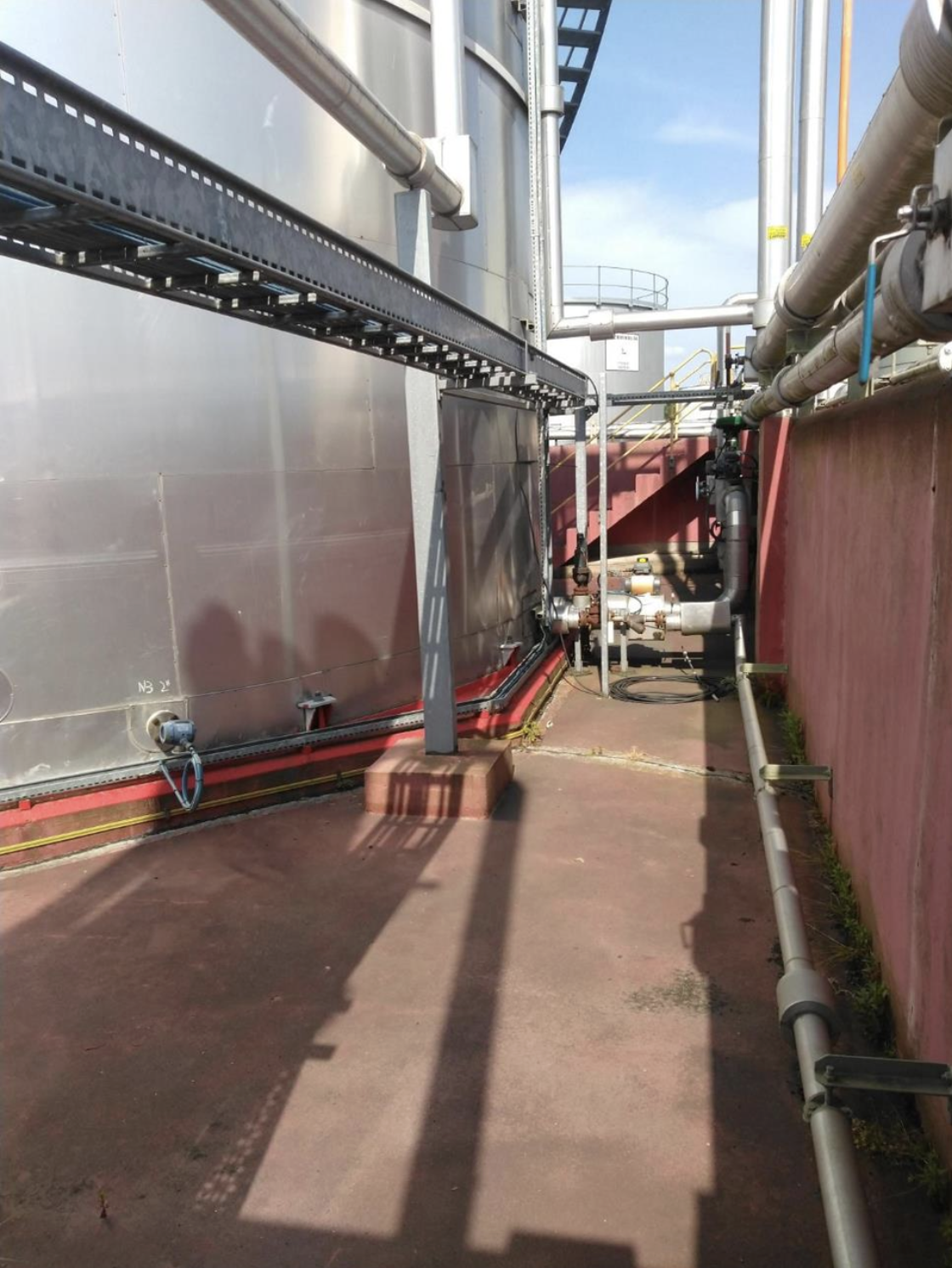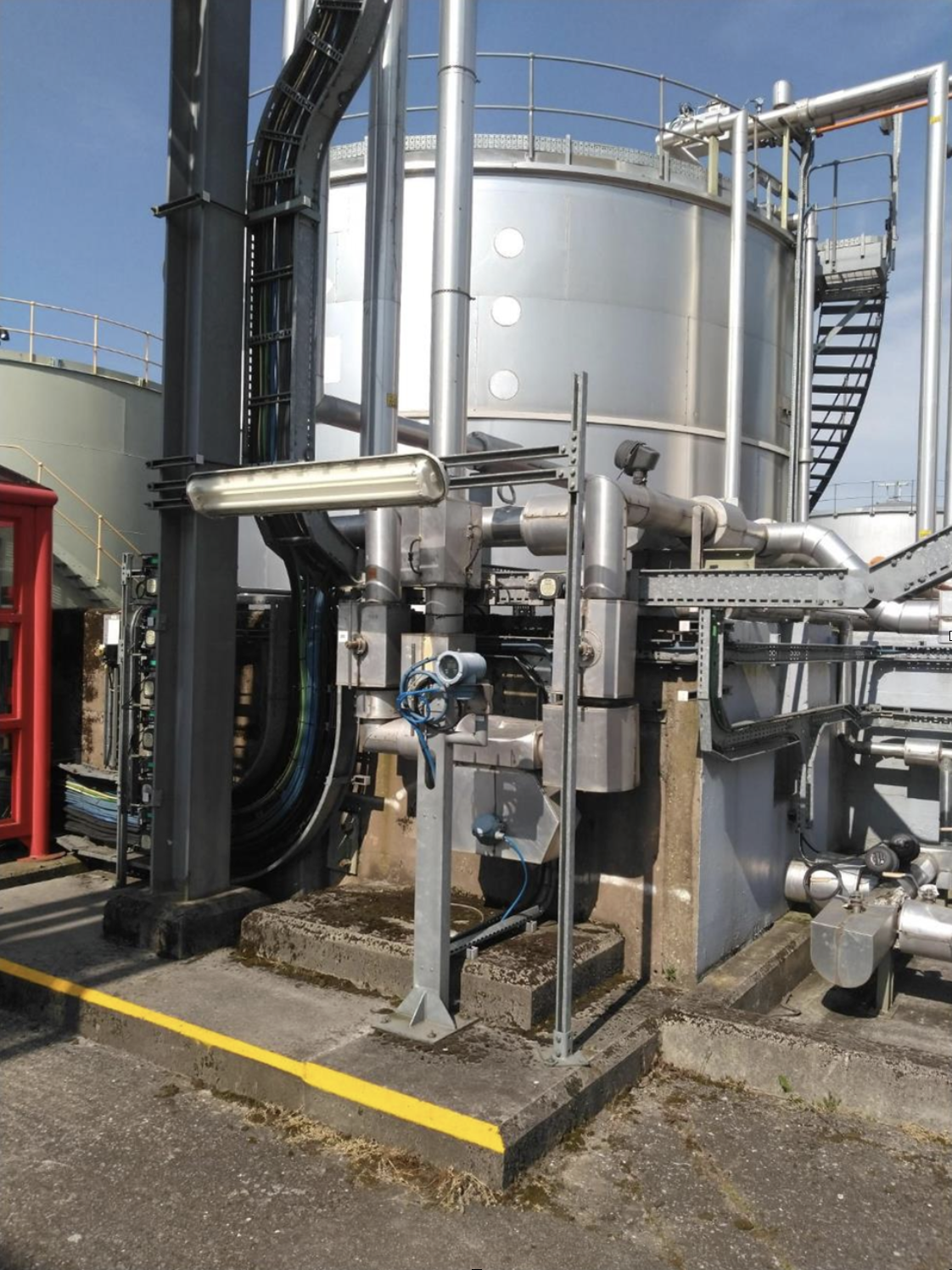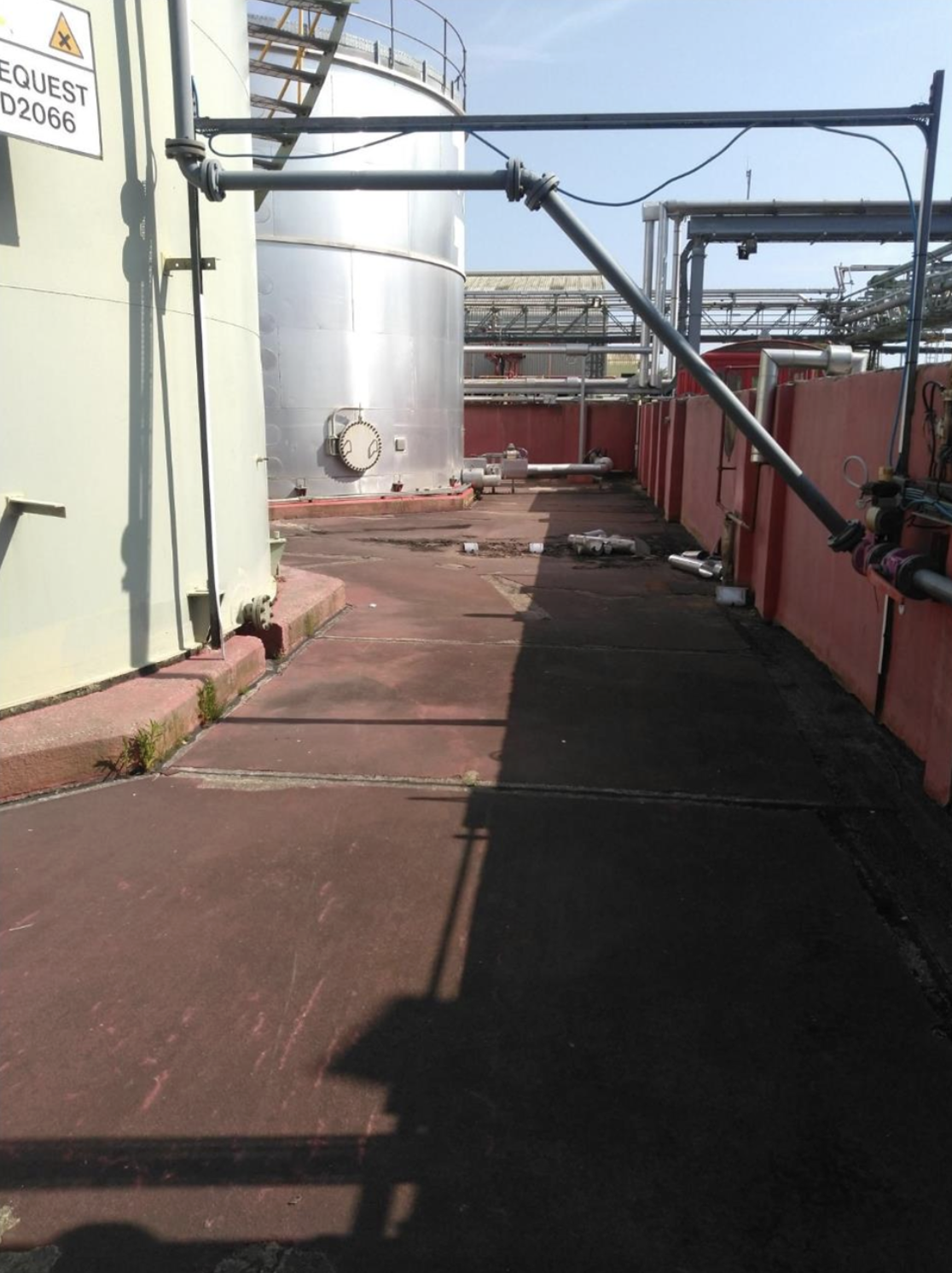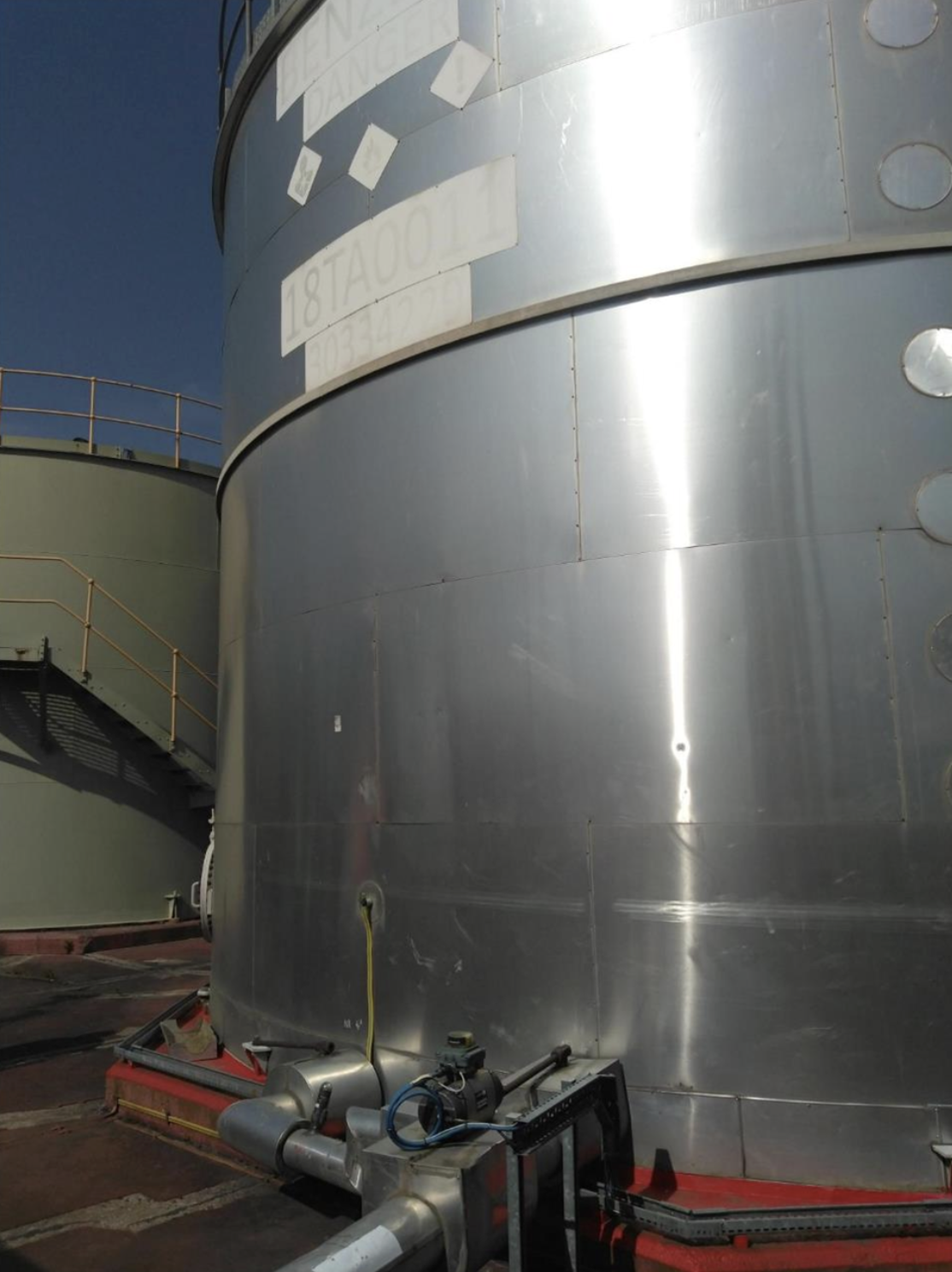
Benzene Fuel Storage Tank - Clean, Gas-Free & Surface Preparation for EEMUA 159 Inspection
Introduction
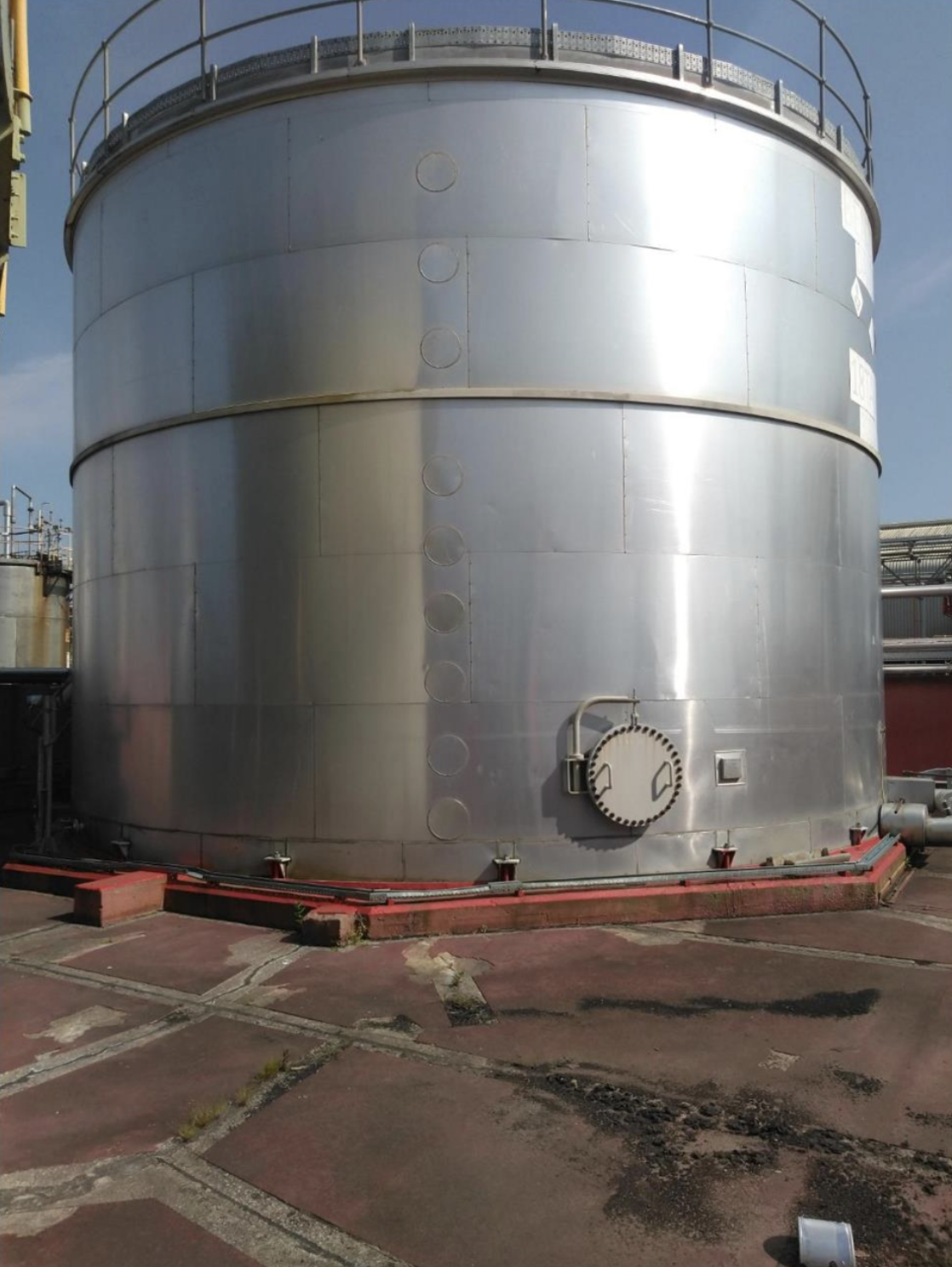
A major UK chemical manufacturer required the cleaning, de-gassing, and internal surface preparation of a 12.0m diameter × 14m high benzene storage tank at a COMAH Upper Tier Site. The work was carried out to achieve gas-free certification and meet the surface preparation requirements for a scheduled EEMUA 159 inspection.
Our Solution
UCL implemented a multi-stage programme beginning with the controlled extraction and transfer of residual benzene to an on-site processing facility under stringent COMAH protocols. Internal surfaces were cleaned using a 3D remote-controlled automated jetting unit. De-gassing was managed using industrial-grade filtration with controlled venting systems compliant with EA regulations, preventing vapour release throughout. Hazardous washings were contained and transported via NDR Rated Tanker to an EA-approved recycling facility, with disposal conducted in accordance with Waste Acceptance Criteria (WAC).
Following gas-free certification, internal surfaces were manually abrasive blasted to ISO 8501-1 Sa2½ (Grade C/D) / SSPC SP-10 / NACE No. 2 using inert mineral abrasives. Operatives worked in full blast cleaning suits with positive air-fed helmets; HEPA-filtered dust extraction units controlled airborne contaminants. All surfaces were vacuum-cleaned post-preparation, and spent abrasive underwent WAC testing prior to disposal.
Key Benefits
- Tank cleaned, de-gassed, and certified gas-free in compliance with COMAH Upper Tier requirements
- Zero hazardous vapour emissions achieved through EA-compliant industrial filtration and venting systems
- All hazardous waste transported and disposed of under WAC and EA standards via NDR Rated Tanker
- Internal surfaces prepared to ISO 8501-1 Sa2½ / SSPC SP-10 / NACE No. 2, meeting EEMUA 159 inspection criteria
- Remote-controlled automated jetting reduced manual personnel exposure to benzene-contaminated surfaces
- HEPA-filtered dust extraction maintained effective containment of airborne abrasive contaminants throughout blasting operations
Conclusion
The tank was delivered clean, gas-free, and surface-prepared to the required standard, ready for EEMUA 159 inspection on programme. This project demonstrates UCL's capability to execute complex, multi-discipline hazardous tank interventions on COMAH-regulated sites to the highest safety and environmental standards.